
Airbnb: AI and Content Ops
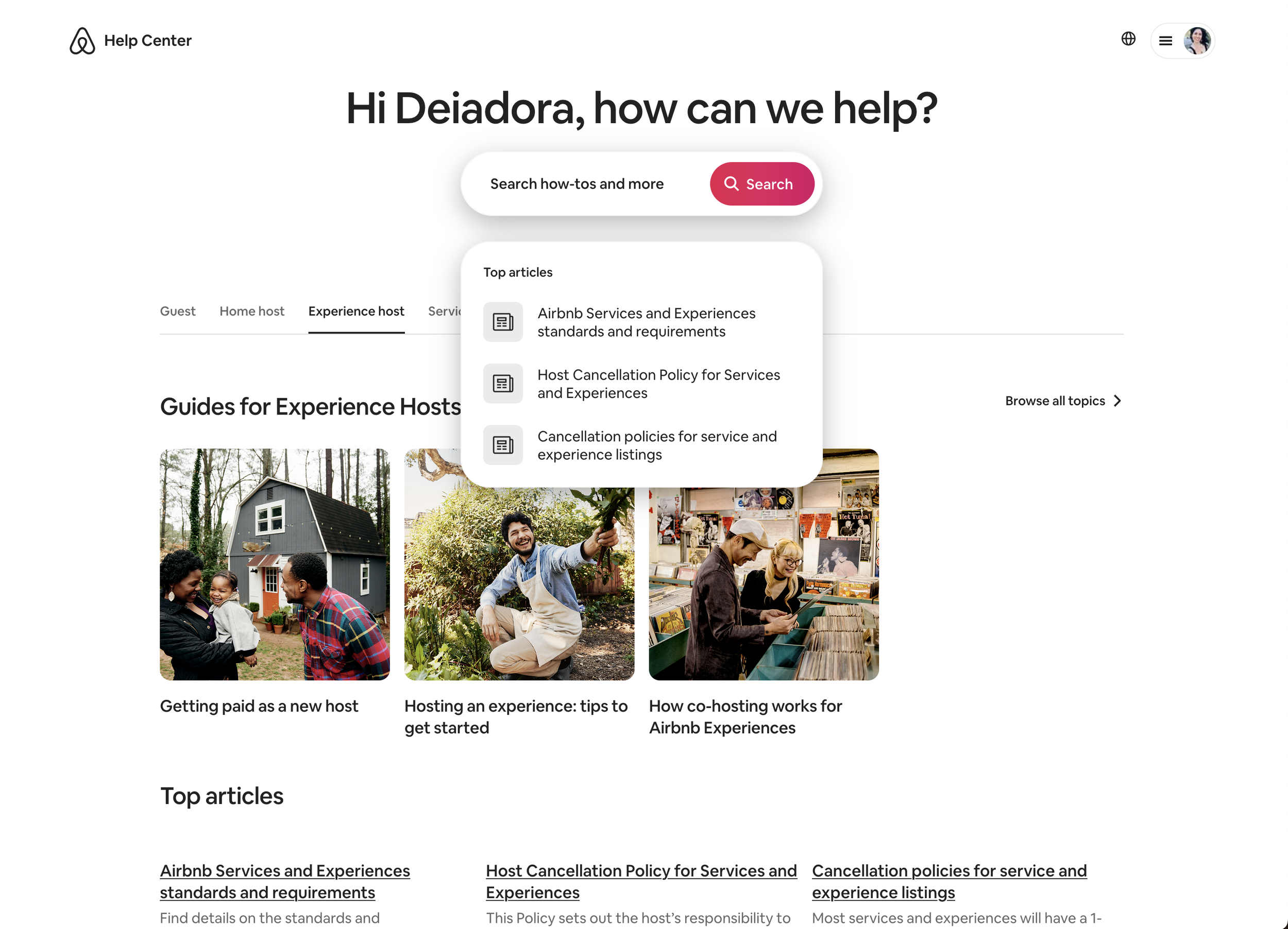
The challenge
Improve Airbnb’s help center with Smart Solutions—and lay the groundwork for an internal language model.
To scale self-serve support, I implemented a content operations system for Smart Solutions (Help Center chatbot) and created the content governance needed to safely train and operate an internal help-center language model.
In 6 months, I standardized how Smart Solutions were discovered, written, measured, and maintained—while accelerating AI readiness. Here’s how.
SERVICES Content design ops; content governance; AI enablement strategy; content strategy; information architecture; UX research; product writing & editing; experimentation support; cross-functional collaboration; leadership & mentorship
PROJECT Implement content ops for a small UX Writing team focused on Help Center chatbot Smart Solutions; improve findability and self-serve outcomes; propose and align stakeholders around an internal language model for help center content.
STRATEGY
Apply design thinking for ops: observe live workflows, audit docs and tooling, interview stakeholders, and analyze agent/customer conversations to surface constraints and failure points.
Reduce cognitive load and increase adoption through change management: propose improvements, route through the right approval channels, and pilot with partner engineering teams.
Establish scalable foundations for AI: centralize linguistic guidance, define training-ready content standards, and prioritize high-impact article/ticket intersections for initial model scope.
RESULTS
Operationalized Smart Solutions delivery: Updated and standardized content brief templates across three engineering teams (Chatbot, AI, Machine Learning), improving clarity and execution consistency.
Created a Smart Solutions Content Ops Playbook: Centralized scattered documentation into a single source of truth and enabled faster onboarding for current and future writers.
Standardized the Smart Solutions workflow: Replaced outdated, bottlenecked process documentation with a current, function-agnostic workflow aligned to the team’s existing Agile cadence—then mentored a lead writer to document it for consistent cross-functional adoption.
Enabled AI program alignment: Authored an internal LLM proposal and secured cross-functional buy-in via a structured stakeholder path; helped define an initial training approach grounded in existing standards and high-impact support content.
Durability: Playbooks, templates, and processes remained in use after the contract; the Smart Solutions team has continued to create said components while a second team has continued evolving the AI workstream.
ESTIMATED CONSERVATIVE–AGGRESSIVE FINANCIAL IMPACT Because I can’t publish internal deflection counts, cost-per-contact, or tooling/time-saved metrics, I estimate impact using two lenses that reflect this case study’s focus on operations + AI readiness:
Support-cost savings (self-serve enablement): Using a blended $3–$12 per deflected contact and a plausible annual deflection range consistent with “millions saved,” impact is approximately $0.75M–$18M/year (e.g., ~250k–1.5M deflected contacts/year).
Productivity + time-to-ship savings (content ops): Standardized briefs, a single source of truth, and a documented workflow typically reduce rework and cycle time. At Airbnb scale, even a modest reduction in cross-functional churn (reviews, clarifications, and duplicate effort) can translate into meaningful annual savings—though I’m intentionally not assigning a single dollar figure without internal baselines.
This range is intentionally wide to reflect uncertainty; the internal analytics finding of “millions saved” aligns with the mid-to-upper portion of the support-savings band depending on the assumed blended cost-per-contact, while the ops layer adds additional (harder-to-quantify) efficiency gains.
Visit the site →
The solution
Content ops
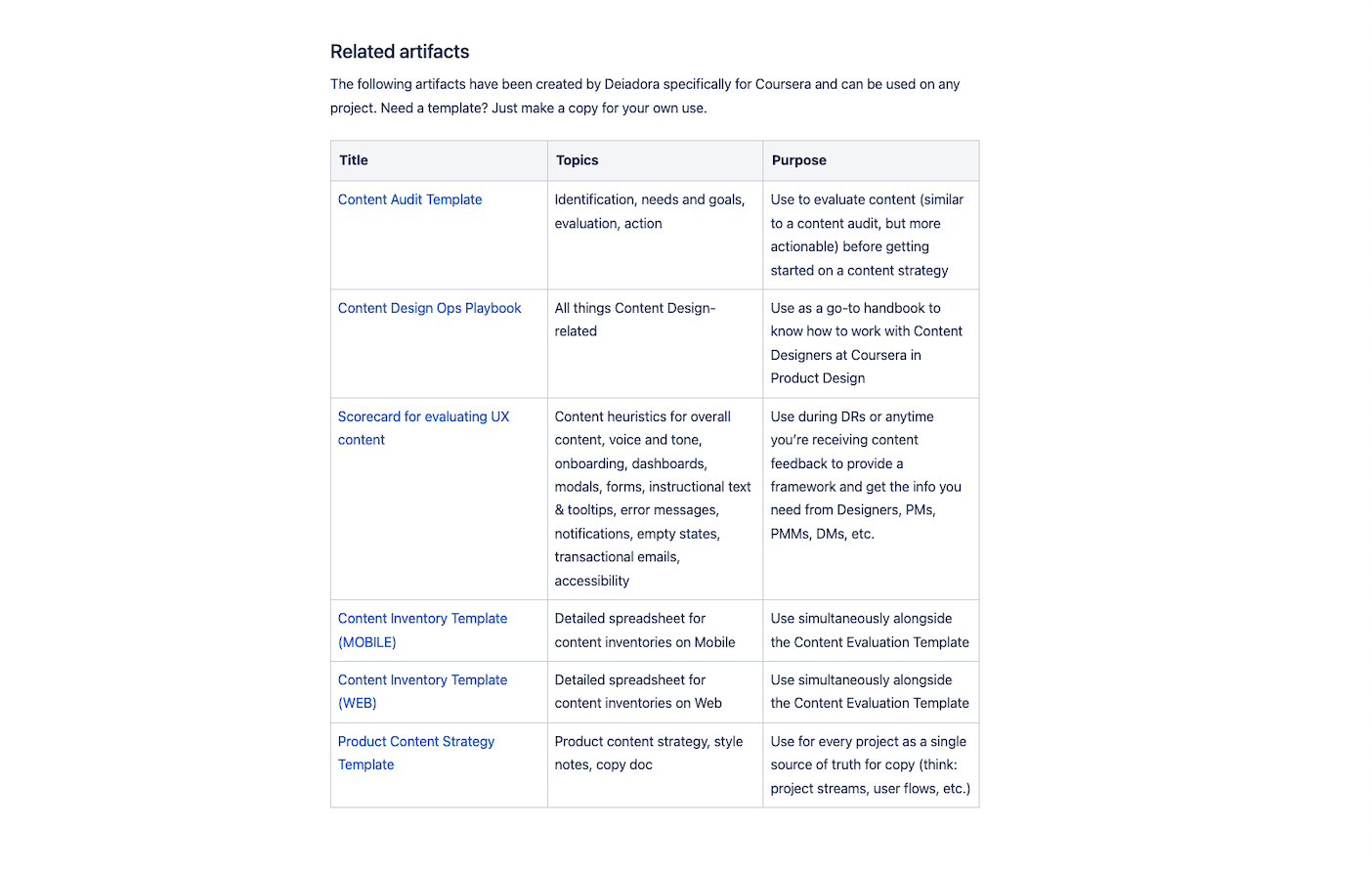
Content ops playbook
Created a Smart Solutions Content Ops Playbook to centralize knowledge and make execution repeatable, searchable, and easy to onboard to.
Mapped and consolidated scattered documentation into one source of truth.
Unified 7+ linguistic sources (style, terms, naming, acronyms) into a maintainable system.
Documented the end-to-end operating model (intake → launch → maintenance) with expectations.
Added templates/checklists/examples to reduce ramp time and increase consistency.
Trained the team so the playbook remained usable after handoff.
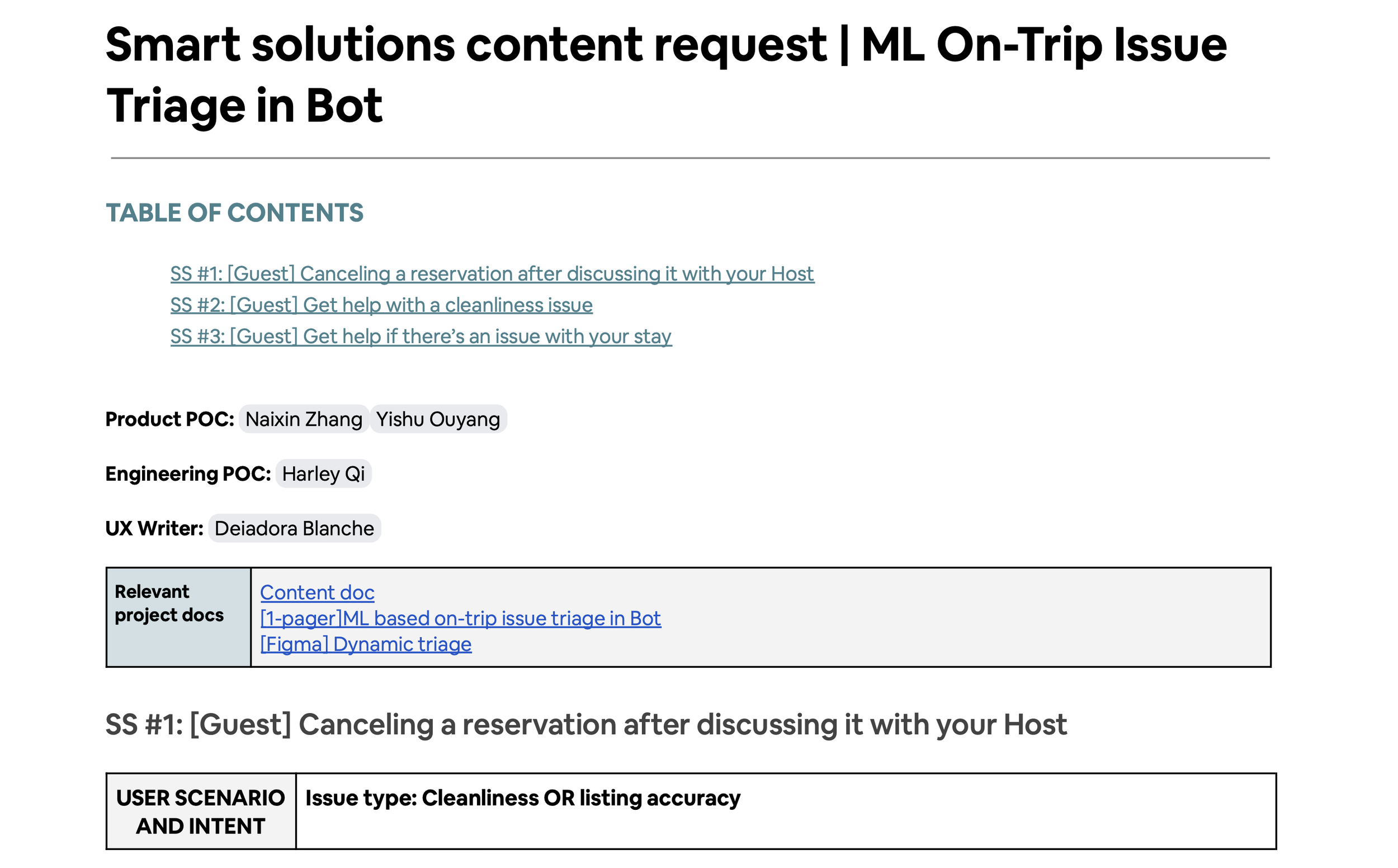
Operationalizing Content
Operationalized Smart Solutions delivery by standardizing intake and requirements across three engineering teams—reducing ambiguity, rework, and review friction.
Identified where briefs broke down by interviewing writers/PMs/eng and reviewing real projects
Audited existing docs and “tribal knowledge” workflows across both teams
Rebuilt 2 content brief templates with clearer IA, required fields, and scannable structure
Routed updates through the right channels to secure adoption with minimal behavior change
Added lightweight usage guidance so briefs stayed actionable and measurable
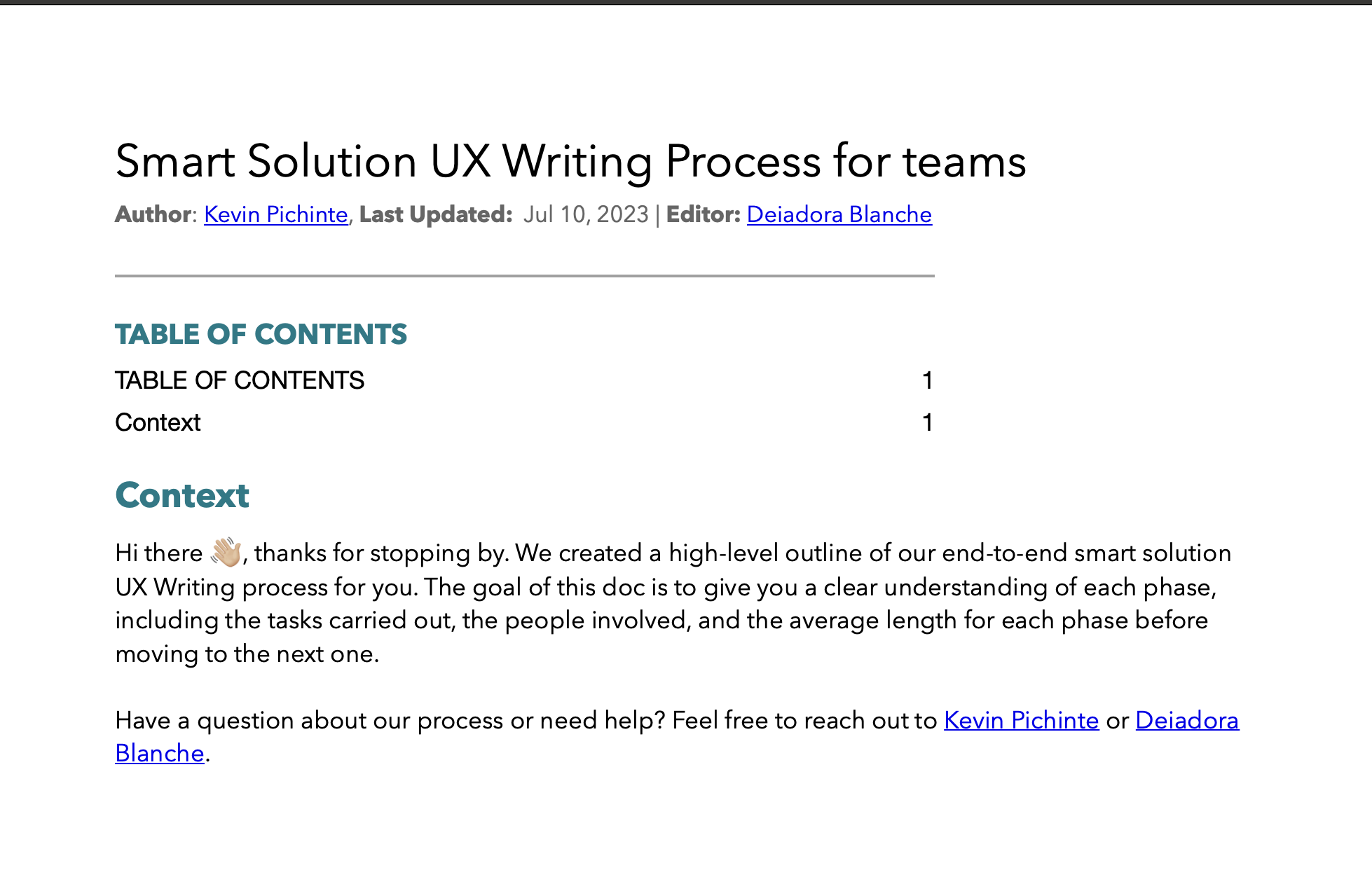
Smart Solutions workflow
Standardized the Smart Solutions workflow by replacing outdated docs with a current, function-agnostic workflow aligned to existing Agile rituals—removing bottlenecks and clarifying how partners collaborate with the team.
Mapped the real workflow to find bottlenecks and unclear handoffs
Replaced 2+ year-old docs that no longer matched reality
Mentored the lead writer to document a role-agnostic workflow for writers and cross-functional partners
Clarified roles, inputs/outputs, and review points to improve consistency and adoption
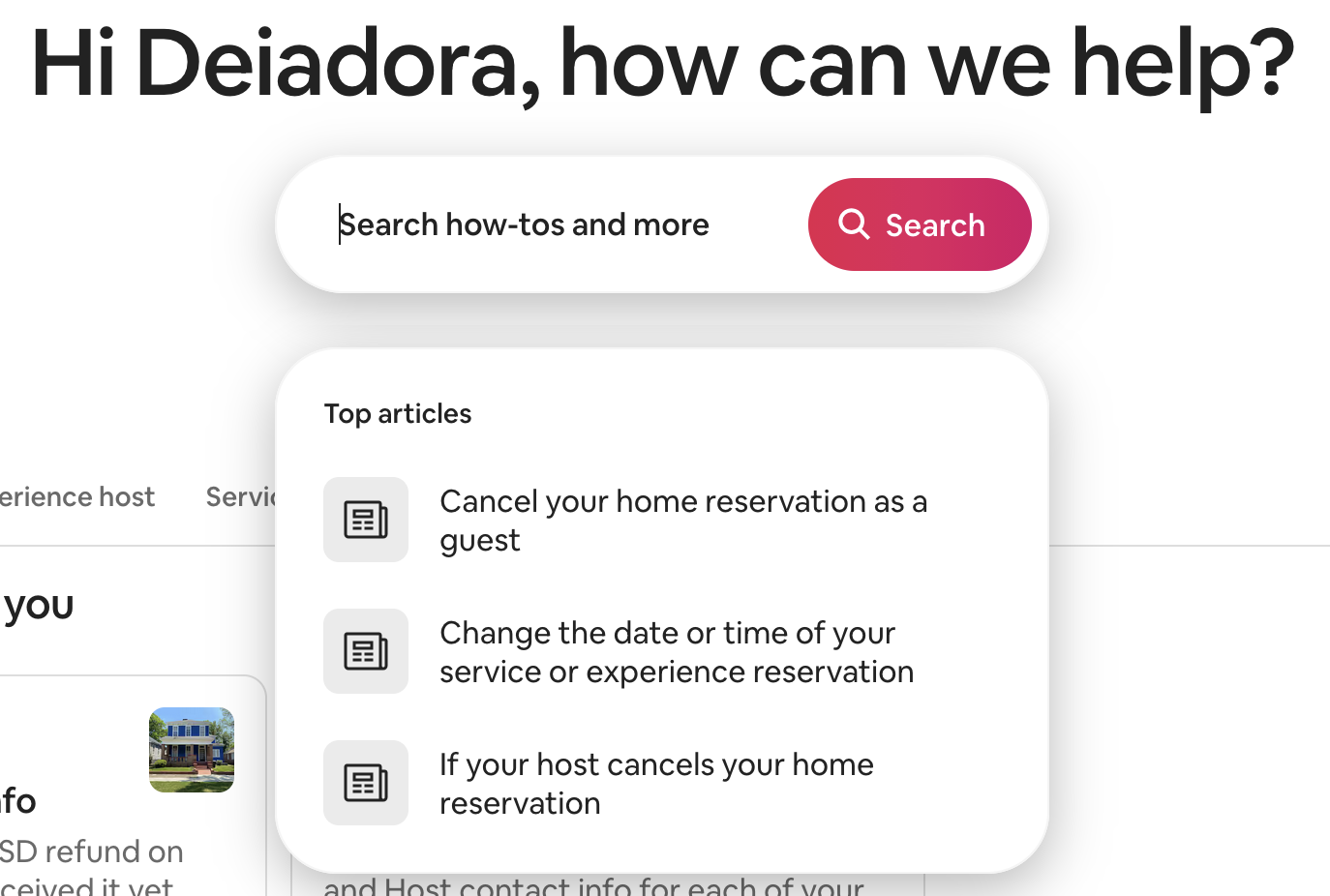
Help Center AI Language Model
Enabled AI program alignment by proposing an internal Help Center language model, aligning stakeholders through the right chain of visibility, and shaping an initial training plan based on existing standards and highest-impact support content.
Wrote a one-pager LLM proposal and routed it through leadership for visibility and approval
Secured buy-in by sequencing stakeholder outreach (product lead → PMs across AI/chatbot/ML)
Recommended using consolidated style/terminology guidance as foundational training inputs
Helped prioritize initial training content around high-read articles and high-volume, self-servable support topics
Aligning and launching the AI workstream
I initiated and helped stand up an internal Help Center language model workstream by turning scattered content standards and support knowledge into a prioritized, trainable foundation—then aligning the right cross-functional partners through a deliberate stakeholder path.
Defined the problem to solve: framed AI as a way to scale consistent, on-brand self-serve support in the Help Center chatbot (not a generic “write content faster” tool).
Created a governance-ready source of truth: consolidated linguistic guidance (style guides, naming conventions, acronyms, terminology decisions) so the model and humans could reference the same standards.
Built a phased rollout approach: recommended starting with a narrow scope (Help Center + Smart Solutions) and expanding only after quality, safety, and performance criteria were met.
Designed a training-content prioritization method: focused first on the intersection of (1) most-read articles, (2) highest ticket volume, (3) easiest to self-serve, and (4) highest estimated cost savings.
Sequenced stakeholder alignment: secured visibility through leadership, then partnered via 1:1s with AI/chatbot/ML PMs after aligning with the PM product lead to ensure buy-in and clear ownership.
Contributed to early execution: collaborated for multiple months on initial chatbot/model work, using the same content ops artifacts (standards, templates, workflow) to keep outputs consistent and reviewable.
By the end of my contract, the team had an operational content foundation—templates, playbooks, and a standardized workflow—plus an aligned, pragmatic path to AI adoption. The systems were built to last: they continued to be used after I rolled off, enabling the team to keep scaling Smart Solutions and advance the internal AI program.
Hybrid Lead/Manager/IC
At Airbnb (and pretty much everywhere I go), I worked as a hybrid lead, manager, and IC—setting strategy, building the operating system, and doing the hands-on craft work to ship. At Airbnb, that meant driving change management and cross-functional alignment while also writing, editing, and systematizing the team’s workflows through playbooks, processes, and templates.
I mentored and supported hiring needs, and I partnered closely with PM/eng/design to deliver high-impact Smart Solutions across refunds, identity verification, on-trip issues, and other critical support journeys. The throughline is consistent: I reduce ambiguity, create durable systems, and help teams ship measurable outcomes faster.